Source Electric Heating Nichrome Strip for Braking, Furnace, and Heating
Compare 30 electric heating nichrome strip options from verified Chinese suppliers. Buyers can evaluate models like Cr15Ni60 and NiCr80/20 for locomotive braking, furnace heating, and industrial applications with varying resistivity and temperature ratings; compare the available evidence and request quotations based on your requirements.
Key considerations
Products List



Comprehensive Sourcing Guide
Electric Heating Nichrome Strip Sourcing Guide
Sourcing electric heating nichrome strip requires a disciplined approach to material verification and application alignment. Buyers must distinguish between high-resistance alloys designed for resistive heating and those intended for precision instrumentation. The core keyword highlights a specific class of nickel-chromium materials, typically NiCr 80/20 or similar grades, which offer stable oxidation resistance at elevated temperatures. Procurement teams should prioritize suppliers who provide clear metallurgical data sheets rather than generic product descriptions.
This guide focuses on the technical and commercial nuances of acquiring these strips for industrial heating systems. It addresses the critical need to verify physical dimensions, surface finishes, and electrical properties against specific operational requirements. By understanding the interplay between resistivity, working temperature, and mechanical form, buyers can mitigate the risk of premature failure in heating elements. The following sections provide a structured framework for evaluating suppliers and ensuring product conformity.
Product Scope and Observed Listing Signals
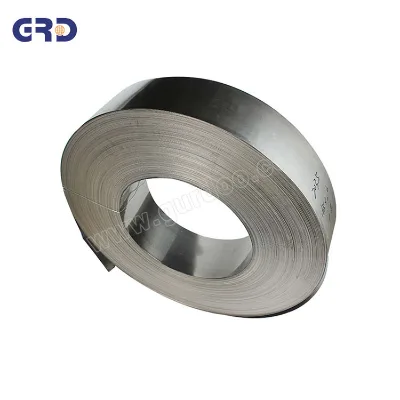
The observed market signals indicate a diverse range of product forms, including rolls, strips, and coils, often packed on pallets or in wooden cases. Listings frequently reference specific models such as Cr15Ni60, Ohmalloy112, and NiCr80/20, suggesting a broad inventory of nickel-chromium variants. Buyers should note that while some products are labeled as strips, others may be offered as wires or bars, requiring careful attention to the physical form factor. The presence of customization options indicates that suppliers can tailor dimensions to specific machinery requirements.
Observed attributes reveal a strong emphasis on industrial applications, particularly in railway braking resistors and general heating systems. The data shows a wide range of widths, from 5mm to 300mm, and thicknesses varying from 0.005mm to 3mm. This variability allows for precise engineering of heating elements with specific power densities. Procurement teams must verify that the selected strip geometry matches the mechanical constraints of the heating assembly, ensuring proper fit and electrical connectivity without compromising structural integrity.
Technical Specifications to Verify
Resistivity is a primary technical parameter, with observed values ranging from 1.09 to 1.18 μΩ.M for specific alloy grades. Buyers must confirm that the resistivity matches the design calculations for the intended heating load, as deviations can lead to inefficient energy consumption or overheating. The working temperature ratings, observed between 1150°C and 1250°C, define the upper thermal limits of the material. It is crucial to select a grade that exceeds the maximum operating temperature of the application to ensure long-term stability and prevent rapid degradation.
Density and purity are also critical verification points, with observed densities around 8.2 to 8.4 g/cm3 and purity levels exceeding 99.95% for certain grades. These physical properties influence the mass and thermal inertia of the heating element. Buyers should request material test reports to verify that the carbon content and other alloying elements fall within the specified ranges. Additionally, surface finish, often described as bright, affects oxidation resistance and aesthetic quality, which may be important for visible industrial components.
Compliance and Safety Documentation
Certification status is a key indicator of supplier reliability, with SGS, ISO, and RoHS certifications commonly observed in listings. These certifications suggest that the supplier adheres to international quality management and environmental standards. Buyers should verify the validity of these certificates and ensure they cover the specific product grades being purchased. Compliance with RoHS is particularly important for applications in electronics and medical devices, where restricted substances must be strictly controlled.
Standards compliance further ensures product consistency, with references to AISI, ASTM, BS, DIN, GB, and JIS standards. Buyers must identify which standard applies to their specific application and request documentation confirming conformity. The observation that standards are often "according to customer's requirement" highlights the need for clear specification agreements. Procurement teams should include these standard references in purchase orders to avoid ambiguity and ensure that the delivered material meets regulatory and safety requirements.
Cost Drivers and Commercial Terms
The observed price range of 3-60 USD suggests significant variation based on alloy composition, dimensions, and order volume. Buyers should analyze the cost structure to understand the impact of nickel prices, which are a major component of nichrome alloys. Thicker strips and wider widths generally command higher prices due to increased material usage. Additionally, custom dimensions or special surface finishes may incur premium charges, so buyers should clarify all customization requirements upfront to avoid unexpected cost overruns.
Minimum Order Quantities (MOQ) range from 1 to 1000 units, offering flexibility for both prototype testing and large-scale production. Buyers with lower volume needs can leverage suppliers who accept small orders or offer free samples. However, larger orders may benefit from economies of scale. Payment terms and lead times are not explicitly detailed in the observed data, so buyers should negotiate these terms clearly. Understanding the total cost of ownership, including shipping and handling, is essential for accurate budgeting.
Supplier Qualification and Quality Control
Supplier origin is predominantly China, with specific mentions of Shanghai as a production hub. Buyers should conduct due diligence on suppliers located in this region, verifying their manufacturing capabilities and quality control processes. The availability of free samples allows buyers to physically inspect the material before committing to large orders. This step is crucial for verifying surface quality, dimensional accuracy, and material consistency. Buyers should use samples to perform preliminary testing in their own heating assemblies.
Quality control measures should include verification of material composition and mechanical properties. Buyers should request mill test certificates for each batch of material to ensure traceability. The observation that products are packed in wooden cases or on pallets indicates attention to protection during transit, which is vital for preventing damage to thin strips. Suppliers who offer customization and adhere to customer-specific standards demonstrate a higher level of service orientation, which is valuable for complex procurement needs.
Long-Term Procurement Checks
Establishing a long-term relationship with a reliable supplier requires ongoing performance monitoring. Buyers should track key performance indicators such as delivery consistency, material defect rates, and responsiveness to technical queries. The ability of the supplier to provide consistent quality across multiple batches is critical for maintaining production stability. Regular audits of the supplier’s quality management system can help identify potential issues before they impact the supply chain.
Continuous improvement in the procurement process involves staying informed about market trends and technological advancements in heating materials. Buyers should periodically review their specifications to ensure they are using the most cost-effective and efficient materials. Engaging with suppliers for feedback on application performance can lead to product improvements and better value. By maintaining a disciplined approach to supplier management, buyers can secure a stable supply of high-quality electric heating nichrome strips for their industrial operations.
FAQs
What are the working temperature limits for these strips?
The working temperature limits range from 1150 to 1250 degrees Celsius depending on the specific alloy model selected. Different grades like Cr15Ni60 or Ohmalloy118 offer varying thermal capabilities to suit diverse industrial heating applications and furnace requirements.
Can I get free samples for testing before bulk orders?
Yes, free samples are available for potential buyers to verify product quality and specifications before committing to larger purchases. This allows clients to test resistivity and density values directly against their specific project requirements without initial financial risk.
Which certifications do these heating strips typically hold?
These products commonly hold SGS, ISO, and RoHS certifications to ensure compliance with international safety and environmental standards. Such documentation verifies material purity and manufacturing processes for use in critical sectors like aviation, medical, and industrial electronics.
How is the product packed for international shipping?
Products are typically packed on pallets or in wooden cases with coil packaging to ensure safe transit. This robust packaging method protects the strips from damage during long-distance shipping from manufacturing locations in China to global destinations.
What is the minimum order quantity for these strips?
The minimum order quantity ranges from 1 to 1000 units depending on the specific supplier and product configuration. Buyers can often negotiate smaller initial orders or accept small sample orders to validate the material properties before scaling up production.
Which alloy grades are available for custom heating elements?
Available alloy grades include NiCr80/20, NiCr 70/30, and various Ohmalloy series tailored for specific resistivity needs. These materials are suitable for creating custom heating elements, resistors, and furnace components with precise electrical and thermal characteristics.
Can the strip dimensions be customized for specific projects?
Yes, customization is available to meet specific project requirements regarding width and thickness dimensions. Buyers can request widths ranging from 5 to 300mm and thicknesses from 0.005 to 3mm to fit unique application geometries and performance criteria.